I run book launches for a small number of nonfiction authors each year.
The goal isn't one big week. It's a book that keeps selling for years and a business that's bigger because you wrote it.
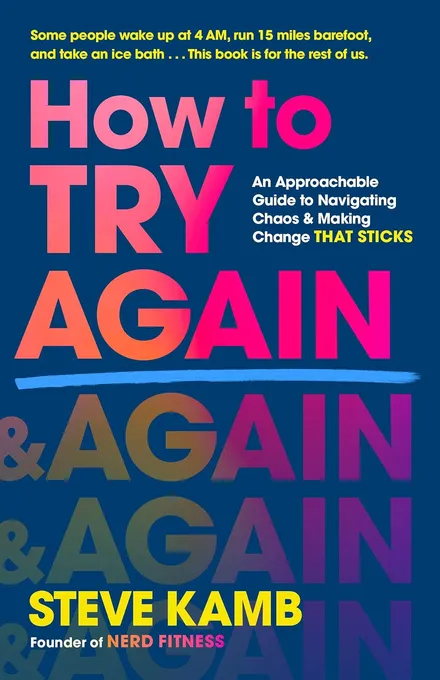
I've been in publishing for 18 years and worked with more than 100 authors, including Daniel Pink, Charles Duhigg, Hugh Howey, Pamela Slim, and Steve Kamb. At one point I had five clients on the New York Times bestseller list at the same time.
I've written six books of my own, including Your First 1000 Copies, which has become a standard reference for authors building an audience, and Running Down a Dream.
I'm also the CEO of Story Grid, which is why I only take on a few of these a year.
How I think about launches
Most books don't fail during launch week. They fail in the six months before it, when nothing is being built. By the time the book is in stores, the outcome has already been decided by whether there is an audience waiting, whether the right people have been asked, and whether anyone has been paying attention to the calendar. Launch week is when you find out. It is not when you decide.
A launch is worth doing well because of what it sets in motion, not because of what happens in one week. The books I care about are the ones still selling a year later, still bringing in the right readers, still generating speaking invitations and client conversations long after the publicity window has closed. That's a different kind of campaign than one built around a single week. It means building an audience that sticks around, choosing the media that actually reaches the people you want, and connecting the book to the business you've already built so that every copy does two jobs at once.
If you have a publisher, the difference between a good outcome and a great one is usually how well you work with them. Your publisher is running on a calendar you've probably never seen, and decisions about your book are being made on it right now: catalog copy, comp titles, galley lists, sales conference, co-op placement, who gets the publicist's attention in a given month. Most of those windows open and close quietly. Authors who know what's coming, hit the internal deadlines, and ask for the right things at the right moment consistently get more out of the same house and the same contract than authors who don't. It isn't about applying pressure. It's about being easy to support and knowing what's actually available to you. That's a big part of what I do, and it's most of what 18 years inside this business is good for.
The tactics are commodity now. Everyone knows about launch teams and preorder bonuses and podcast tours. You can find all of it for free. What's actually scarce is judgment about which asks are worth making, which relationships are worth spending, and what to cut when the calendar gets tight. And then someone to hold you and your team to that calendar while you're also running a business, doing the speaking, and answering everything else.
That last part is most of the job. Authors rarely fail because they lack information. They fail because they become the bottleneck in their own launch.
Ways to work together
Launch Diagnostic
A focused look at your current plan and an honest assessment of where it's going to break.
- You send your manuscript, positioning, platform numbers, publisher plan, and current thinking in advance
- I spend real time with it before we talk
- 90-minute working session
- A written assessment afterward: what's working, what's broken, what your publisher should be doing that they aren't, and what I'd do differently, in priority order
One call, one document. If you want to go further, the fee is credited toward a Launch Blueprint.
$2,500
Launch Blueprint
The full campaign, designed by me and executed by your team.
- Positioning and core messaging
- Week-by-week timeline from pre-launch through launch week and the year that follows
- A publisher plan: what to ask for, who to ask, and every internal deadline you need to hit
- Target lists: media, podcasts, peer and influencer outreach, bulk and corporate opportunities
- Asset map covering what needs to exist, who makes it, and when
- Audience and email strategy leading into launch
- How the book connects to the rest of your business, from speaking to consulting to whatever you sell
- Two to three check-in calls while your team executes
Best if you have a capable team or a publisher behind you and what you're missing is the plan itself.
In-Person Intensive
One or two days, in the room, with you and everyone who will touch the launch.
- Everything in the Launch Blueprint
- On-site with your team
- Live work on positioning, hooks, and messaging
- The business case mapped out: what this book is supposed to do for you beyond copies sold
- Roles and ownership assigned before anyone leaves the room
- Written plan delivered within a week
This is the fastest way to get a team aligned. A document can be ignored. A day together generally can't.
Run the Launch
I own the campaign from strategy through launch week and the months after.
- Full campaign ownership and accountability
- Weekly working sessions with you and your team
- I work directly with your publisher, your in-house publicist, and your marketing contact
- Every major call: positioning, timing, channel mix, media priorities, publisher asks
- Direct use of my relationships where they're the right fit
- A plan for the long tail, not just the launch window
- Roughly four to six months of work
- Your team handles day-to-day execution, I direct it
I take on two or three of these a year. When they're spoken for, they're spoken for.
Before you reach out
Timing matters more than anything else on this page. The right time to talk to me is six months or more before your publication date, and earlier if you have a publisher, because the decisions that matter most inside a publishing house happen long before anyone is thinking about launch week. At three months there's still real work we can do. Inside of six weeks, you're asking me to help you push a book that's already been decided, and I'll tell you honestly you'd be better off saving the money for the next one.
A first book is fine. What matters isn't whether you've done this before. It's whether there's something to build on: an audience, a business, a speaking career, a client base, a following of any real size. If you have any of that, you have more to work with than most second and third-time authors do.
This probably isn't a fit if:
- You don't have an audience or a business yet, and the book is meant to create one from nothing
- You write fiction (I love fiction, I just don't market it, and I'd be doing you a disservice)
- You're inside 60 days of publication
- You want someone to execute rather than direct, and there's nobody on your side to do the work
Get in touch
If it sounds like a fit, fill out the form below and tell me about your book.
I read every one of these myself. You'll hear back within a few days, and if it looks like something I can help with, we'll set up a call.
Inquiry form fields:
- Name
- Book title and topic
- Publication date (or best estimate)
- Publisher, or self-published
- Roughly how big is your current audience? (email list, social, podcast, speaking)
- What's the business behind the book? (speaking, consulting, courses, products, practice)
- Who on your team would be executing the day-to-day work of the launch?
- Which of the above are you most interested in?
- Budget range: under $10,000 / $10,000 to $25,000 / $25,000 to $50,000 / $50,000+ / not sure yet
- What does a successful launch look like to you?
Tim Grahl is the author of six books and the CEO of Story Grid. He has spent 18 years helping authors build audiences and launch books, including dozens that have reached the New York Times, Wall Street Journal, and USA Today bestseller lists.